The early days of World of Warcraft (WoW) were marked by vibrant server communities that fostered strong social bonds among players. These communities were not just about gameplay; they were about forming friendships, alliances, and rivalries that enriched the gaming experience. Understanding these dynamics is crucial for appreciating how player interactions shaped the game’s legacy and influenced modern MMORPGs. This guide delves into the intricate social fabric of early WoW servers, exploring their significance and lasting impact.
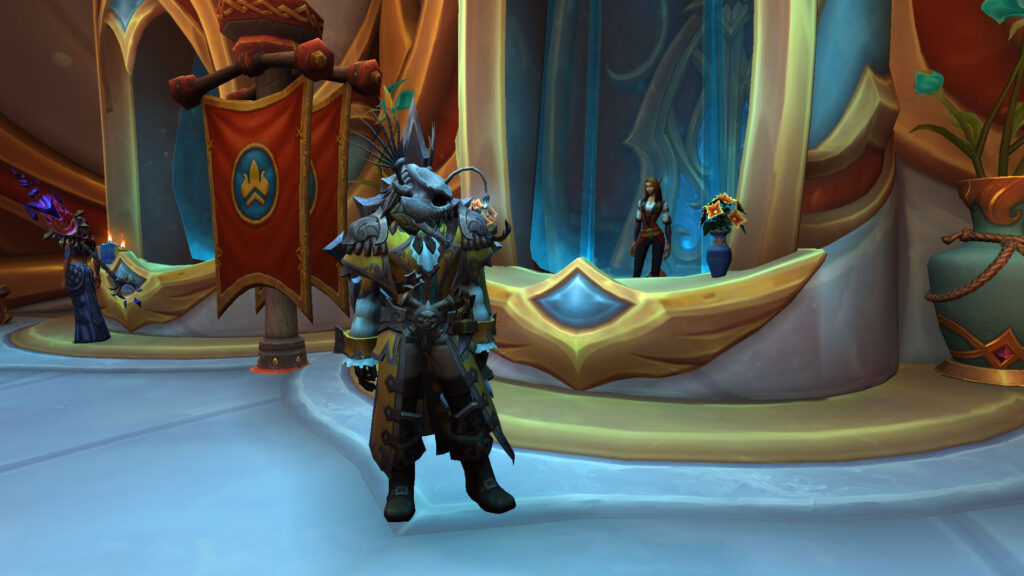
What were the key characteristics of early World of Warcraft server communities?
Early WoW server communities were characterized by strong social interactions, guild formations, and player-driven events that fostered camaraderie and competition.
These communities thrived on shared experiences, often leading to the establishment of guilds that became the backbone of social interaction. The table below highlights some key metrics that defined these early server communities, showcasing the variety of player engagement and community activities.
| Server Type | Average Guild Size | Player Events per Month | Active Players |
|---|---|---|---|
| PvE | 50-100 | 5-10 | 2000-5000 |
| PvP | 30-80 | 10-15 | 3000-7000 |
| RP | 20-60 | 8-12 | 1500-4000 |
How did social interactions shape the gameplay experience in early WoW?
Social interactions significantly enhanced the gameplay experience in early WoW by creating a sense of belonging and shared purpose among players.
Players engaged in cooperative gameplay through quests, raids, and battlegrounds, which required teamwork and communication. The necessity of forming alliances and guilds meant that players had to invest time in building relationships, which often extended beyond the game. This social fabric was crucial, as it provided emotional support and motivation, making challenges feel more manageable. The bonds formed in these communities often led to lifelong friendships, with many players continuing to interact outside of the game.
Mechanically, the game encouraged social interactions through its design. For instance, quests often required group participation, and raid encounters demanded coordination and strategy. Players had to communicate effectively to succeed, leading to the development of shared tactics and strategies. Additionally, the in-game economy fostered interdependence, as players relied on each other for crafting, trading, and resource gathering, reinforcing the need for social bonds. This interconnectedness created a unique environment where players were not just individuals but part of a larger narrative.
For example, guilds often organized events such as raid nights, PvP tournaments, and social gatherings, which were pivotal in strengthening community ties. These events provided a platform for players to showcase their skills and foster competition, further enhancing the social dynamics. The shared experiences during these events contributed to a sense of identity within the server, making players feel like they were part of something larger than themselves.
What steps can players take to build strong communities in MMORPGs?
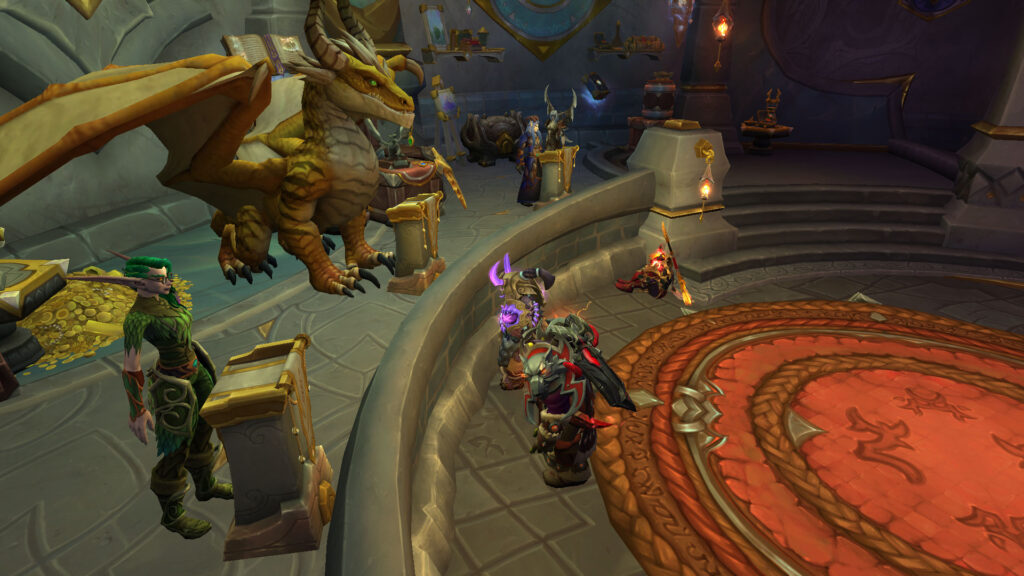
Players can build strong communities in MMORPGs by actively engaging with others, forming guilds, and organizing events that promote interaction and collaboration.
Building a thriving community requires intentional efforts to foster connections among players. First, players should actively participate in server discussions, forums, and social media groups to establish their presence and connect with others. This engagement helps in identifying like-minded individuals who share similar interests and playstyles. Secondly, forming or joining a guild is crucial, as it provides a structured environment for social interaction and collaboration. Guilds can serve as a support system, offering resources and camaraderie.
- Engage in server forums and social media to connect with other players.
- Form or join a guild that aligns with your playstyle and values.
- Organize regular events such as raids, PvP tournaments, or social gatherings.
- Encourage open communication and inclusivity within the community.
Thirdly, organizing regular events can significantly enhance community engagement. Events such as raid nights, contests, or social gatherings create opportunities for players to interact and build relationships. These events should be inclusive, allowing players of all skill levels to participate and contribute. Lastly, fostering an environment of open communication and inclusivity is essential for maintaining a healthy community. Encouraging feedback and ensuring that all voices are heard can help in addressing conflicts and building trust among members.
What are the critical parameters for maintaining a healthy server community?
Maintaining a healthy server community requires clear communication, conflict resolution mechanisms, and a focus on inclusivity and engagement.
Critical parameters include establishing guidelines for behavior, promoting respectful interactions, and providing channels for conflict resolution. Clear communication is vital for preventing misunderstandings and ensuring that all members feel valued. Regular meetings or discussions can help in addressing concerns and fostering a sense of belonging. Additionally, implementing a code of conduct can guide player interactions, promoting a positive atmosphere.
Engagement is another crucial aspect of community health. Regular events, contests, and activities can keep players invested and connected. These activities should cater to diverse interests, ensuring that all players feel included. Furthermore, recognizing and celebrating player achievements can foster a sense of pride and belonging within the community. This recognition can take various forms, such as shout-outs during events or dedicated channels for showcasing accomplishments.
Finally, having a robust conflict resolution mechanism is essential for addressing issues that may arise within the community. Establishing a team of moderators or community leaders who can mediate disputes and enforce guidelines can help maintain harmony. Encouraging players to voice their concerns and providing a safe space for discussions can also contribute to a healthier community dynamic. By prioritizing these parameters, server communities can thrive and create lasting bonds among players.
What potential issues can arise in server communities, and how can they be addressed?
Potential issues in server communities include toxicity, exclusion, and conflicts, which can undermine the social fabric and player experience.
Toxic behavior can manifest in various forms, such as harassment, bullying, or negative attitudes, leading to a hostile environment. This toxicity can drive players away and diminish the overall enjoyment of the game. To address these issues, communities must establish clear guidelines for acceptable behavior and enforce them consistently. Encouraging players to report toxic behavior and providing a safe space for discussions can help mitigate these problems.
Exclusionary practices can also arise, where certain groups or players feel marginalized or unwelcome. This can occur due to elitism, cliques, or a lack of inclusivity in events and activities. To combat exclusion, communities should prioritize inclusivity by actively encouraging participation from all players, regardless of skill level or background. Organizing events that cater to diverse interests and skill levels can help foster a more welcoming environment.
Conflicts may arise due to differing opinions, playstyles, or competition among players. Establishing a conflict resolution mechanism, such as a mediation team or designated community leaders, can help address disputes effectively. Encouraging open communication and providing channels for players to voice their concerns can also contribute to resolving conflicts amicably. By proactively addressing these potential issues, server communities can maintain a positive and supportive atmosphere.
What future trends can be expected in MMORPG server communities?
Future trends in MMORPG server communities may include increased focus on inclusivity, technological integration, and evolving social dynamics.
As the gaming landscape evolves, server communities are likely to place greater emphasis on inclusivity and diversity. Developers are increasingly recognizing the importance of creating environments where all players feel welcome and valued. This trend may lead to the implementation of features that promote inclusivity, such as customizable avatars, diverse storylines, and community-driven events that celebrate different cultures and backgrounds.
Technological advancements will also play a significant role in shaping future server communities. The integration of virtual reality (VR) and augmented reality (AR) may enhance social interactions, allowing players to engage in more immersive experiences. Additionally, the rise of social media platforms and communication tools will facilitate connections among players, enabling them to form communities beyond the game itself. This interconnectedness can lead to more robust and dynamic communities.
Finally, as player expectations evolve, server communities will need to adapt to changing social dynamics. The rise of casual gaming and the increasing importance of mental health in gaming will influence how communities are structured and managed. Emphasizing well-being and fostering supportive environments will become paramount. By embracing these trends, MMORPG server communities can continue to thrive and evolve, creating lasting bonds among players.






Leave a Reply