The Warlords of Draenor expansion for World of Warcraft faced significant challenges that ultimately led to its decline in player engagement. The introduction of the Tanaan Jungle patch was intended to revitalize interest and provide new content. However, this update arrived too late to salvage the expansion’s reputation, as many players had already moved on. This article explores the reasons behind this timing and its implications on the game’s community.
What were the main issues with Warlords of Draenor before Tanaan Jungle?
The main issues with Warlords of Draenor included a lack of content, repetitive gameplay, and unfulfilled promises from Blizzard, which led to player dissatisfaction.
Upon release, Warlords of Draenor was met with high expectations, but players quickly discovered a shortage of engaging content. The initial leveling experience was praised, but the endgame content was sparse, with many players reaching the level cap and finding little to do. The absence of traditional features like flying mounts at launch further frustrated the community. Additionally, the garrison system, while innovative, became a source of monotony as players found themselves grinding the same tasks repeatedly. This stagnation was compounded by the lack of new dungeons and raids, which are critical for maintaining player interest in MMORPGs.
Moreover, Blizzard’s communication regarding future content updates was inconsistent, leading to a growing sense of abandonment among players. Promises of regular updates and new features were not met, resulting in a dwindling player base. The community’s frustration was palpable, as many felt that the expansion had failed to deliver on its initial promises. The combination of these factors created a perfect storm of discontent, making it increasingly difficult for Blizzard to regain the trust and engagement of its players as the expansion progressed.
How did the Tanaan Jungle patch attempt to address these issues?
The Tanaan Jungle patch sought to introduce new content, including quests, dungeons, and a revamped endgame experience, in an effort to re-engage players.
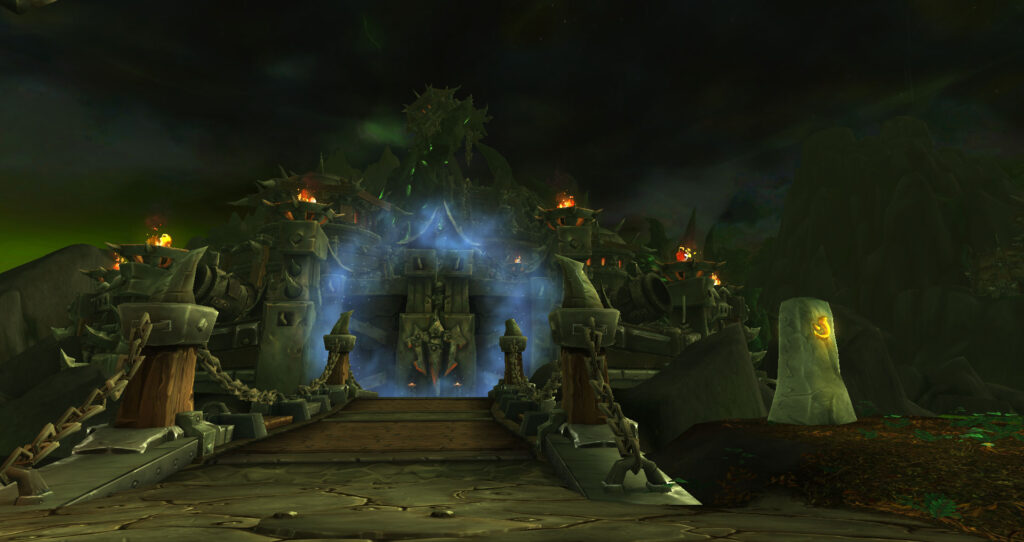
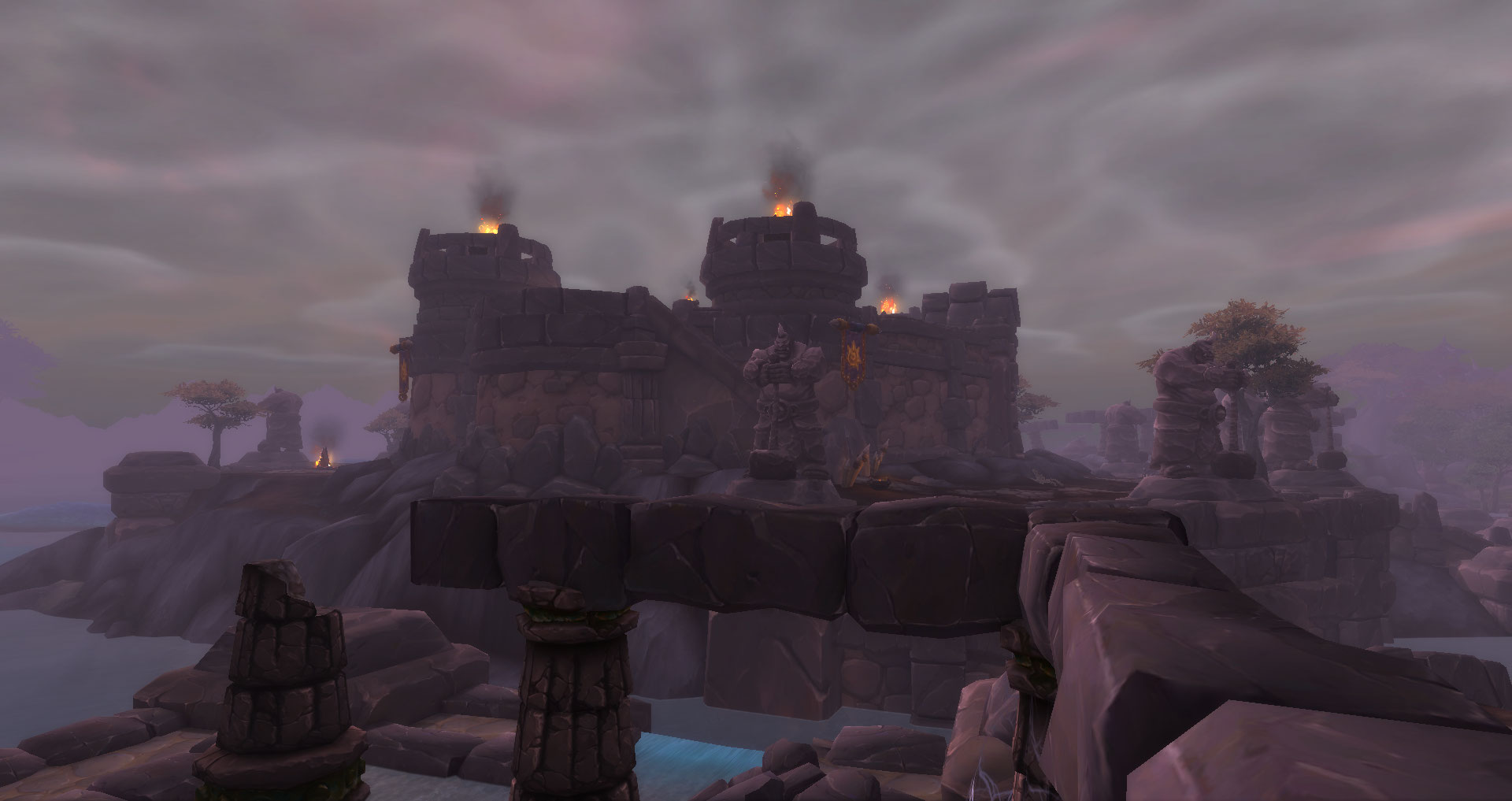
Tanaan Jungle was designed as a high-level zone that offered a variety of new quests and challenges, aiming to provide players with fresh content. The patch included new daily quests, a new raid, and the introduction of the Hellfire Citadel, which was intended to be a significant endgame activity. Additionally, the patch reintroduced flying mounts, which had been a contentious issue since the expansion’s launch. This decision was aimed at alleviating some of the frustrations players had experienced with the garrison system and the overall lack of exploration options.
Furthermore, Tanaan Jungle featured a new reputation system and various rewards that encouraged players to engage with the content. The introduction of new gear and cosmetic items was also a strategic move to entice players back into the game. However, despite these efforts, many players had already lost interest or moved on to other games, making it difficult for the patch to have the desired impact. The timing of the patch, arriving well into the expansion’s lifecycle, meant that it was unable to reverse the negative sentiment that had already taken root within the community.
- New quests and daily activities in Tanaan Jungle to enhance player engagement.
- Introduction of Hellfire Citadel raid to provide challenging endgame content.
- Reintroduction of flying mounts to improve exploration and quality of life.
- New reputation system and rewards to incentivize player participation.
What were the player reactions to the Tanaan Jungle patch?
Player reactions to the Tanaan Jungle patch were mixed, with some appreciating the new content while others felt it was too late to make a difference.
The community’s response to Tanaan Jungle was largely divided. While some players welcomed the new content and found enjoyment in the revamped gameplay, many others expressed skepticism about Blizzard’s ability to maintain engagement. The patch was seen as a desperate attempt to revive an expansion that had already lost its luster. Feedback on forums and social media indicated that a significant portion of the player base felt that the damage had been done, and the excitement for Warlords of Draenor had faded. Players who had left the game were often reluctant to return, citing a lack of trust in Blizzard’s ability to deliver compelling content consistently.
Additionally, the timing of the patch coincided with the anticipation of the next expansion, Legion, which further diluted the impact of Tanaan Jungle. Many players were already looking forward to new features and improvements promised in the upcoming expansion, making it difficult for Tanaan Jungle to compete for attention. As a result, while the patch did bring some players back temporarily, it was not enough to significantly alter the overall trajectory of Warlords of Draenor. The expansion ultimately remained a cautionary tale about the importance of timely content delivery and community engagement.
| Player Feedback | Positive Reactions | Negative Reactions | Overall Sentiment |
|---|---|---|---|
| Content Variety | New quests and activities were appreciated. | Felt like a band-aid solution. | Mixed |
| Endgame Engagement | Hellfire Citadel provided new challenges. | Too little, too late for many. | Negative |
| Trust in Blizzard | Some players returned out of curiosity. | Many remained skeptical of future updates. | Overall decline |
What critical lessons can be learned from the Warlords of Draenor experience?
The Warlords of Draenor experience teaches valuable lessons about the importance of timely content updates and maintaining player trust.
One of the most critical lessons from Warlords of Draenor is the necessity of delivering content updates in a timely manner. Players expect regular engagement and new experiences, and when these expectations are not met, it can lead to a rapid decline in player interest. Blizzard’s failure to provide sufficient content during the early stages of the expansion created a vacuum that was difficult to fill later on. This highlights the importance of having a robust content roadmap and sticking to it to keep players engaged.
Additionally, maintaining open lines of communication with the player base is essential. Players need to feel heard and valued, and when they perceive a lack of transparency or responsiveness from developers, it can lead to frustration and disengagement. The Warlords of Draenor expansion serves as a reminder that player trust is fragile and must be nurtured through consistent updates and community engagement. Developers should prioritize feedback and adapt their strategies accordingly to foster a loyal player base.
How can future expansions avoid the pitfalls of Warlords of Draenor?
Future expansions can avoid the pitfalls of Warlords of Draenor by prioritizing player feedback, ensuring timely content releases, and maintaining community engagement.
To prevent the issues faced by Warlords of Draenor, future expansions must prioritize a player-centric approach. This includes actively seeking player feedback during the development process and being willing to adapt based on community input. Developers should implement systems that allow for rapid content updates and adjustments, ensuring that players always have something new to engage with. Regular communication through forums, social media, and in-game announcements can help maintain transparency and build trust.
Moreover, establishing a clear content roadmap with defined milestones can help set player expectations and keep the community engaged. Developers should also consider the pacing of content releases, ensuring that players have enough time to explore and enjoy new features before additional updates are introduced. By learning from the mistakes of Warlords of Draenor, future expansions can create a more sustainable and engaging experience for players.
What are the best practices for sustaining player engagement in MMORPGs?
Best practices for sustaining player engagement in MMORPGs include regular content updates, community involvement, and responsive development practices.
To sustain player engagement in MMORPGs, developers should focus on delivering regular content updates that introduce new gameplay mechanics, quests, and challenges. This keeps the game fresh and encourages players to return frequently. Additionally, involving the community in the development process through feedback sessions and beta testing can create a sense of ownership and investment in the game. Players who feel their opinions matter are more likely to remain engaged.
Responsive development practices are also crucial. This means being able to quickly address player concerns and adapt to changing player needs. Developers should monitor player behavior and feedback closely, using data analytics to inform their decisions. By implementing these best practices, MMORPGs can create a dynamic and engaging environment that keeps players invested over the long term.
Frequently Asked Questions
Why did players lose interest in Warlords of Draenor?
Players lost interest due to a lack of engaging endgame content, repetitive gameplay mechanics, and unfulfilled promises from Blizzard regarding updates and features. The absence of new dungeons and raids further contributed to dissatisfaction.
What was the impact of the Tanaan Jungle patch?
The Tanaan Jungle patch introduced new content and features but arrived too late to significantly revive player interest. Many players had already moved on to other games or were anticipating the next expansion, Legion.
What lessons can be learned from Warlords of Draenor?
Key lessons include the importance of timely content updates, maintaining player trust through transparent communication, and actively involving the community in the development process to ensure ongoing engagement.






Leave a Reply